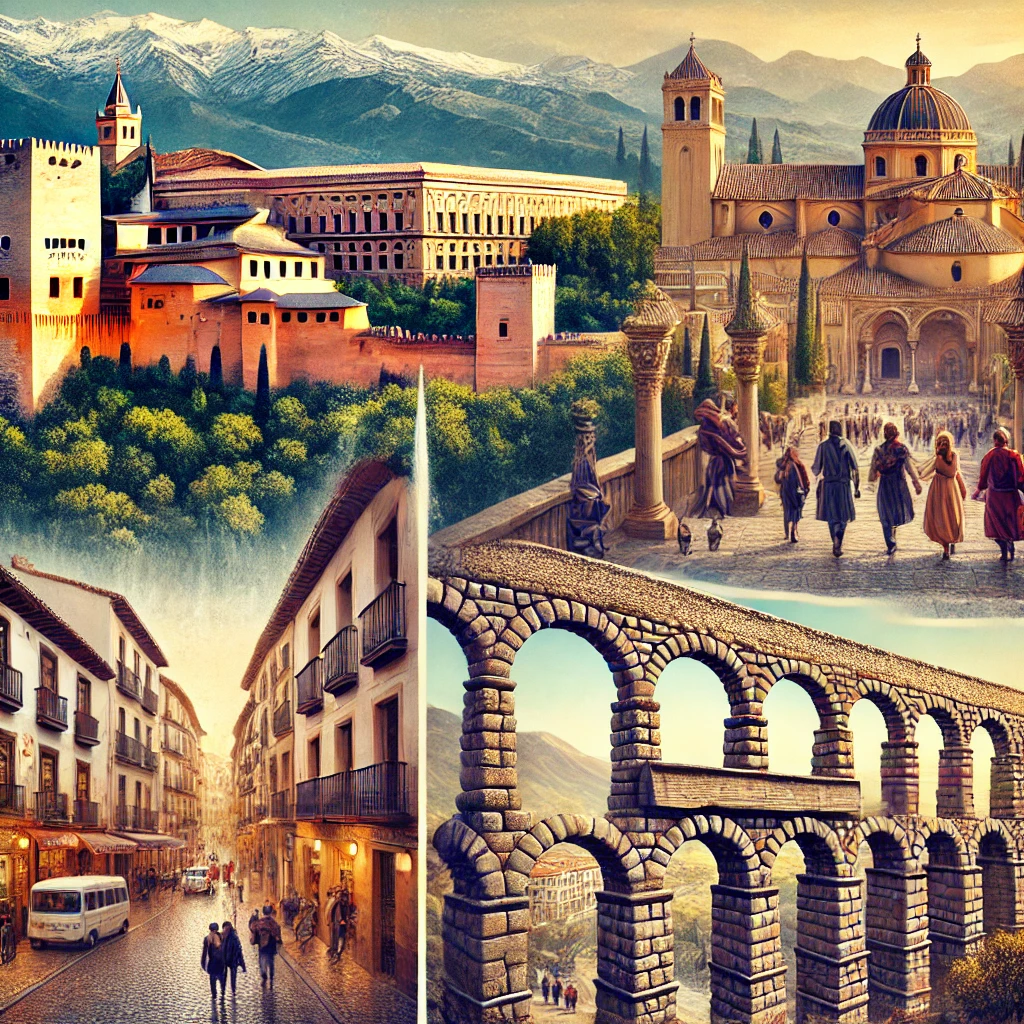
Traveling to historical sites is an enriching experience that allows individuals to connect with the past and gain a deeper understanding of different cultures. If you’re planning to visit Spanish-speaking countries and explore their profound historical heritage, it’s essential to equip yourself with the appropriate vocabulary. From ancient ruins to grand palaces, your journey can be significantly enhanced by knowing the terms and phrases you’ll encounter.
In this article, we will delve into the thematic vocabulary related to historical travel in Spanish-speaking regions. Whether you’re a seasoned traveler or embarking on your first adventure, being able to describe and understand terms associated with historical sites will undoubtedly enrich your experience. Not only will you be able to navigate historical landmarks with more ease, but you’ll also gain a richer appreciation of the stories and significance behind each location.
Let’s embark on this linguistic journey together and prepare you for a culturally immersive and educational travel experience. By the end of this guide, you’ll have a comprehensive list of essential Spanish vocabulary tailored specifically for exploring historical sites.
Must-Know Vocabulary for Historical Sites
To make the most of your visits to historical sites, it is beneficial to learn specific terminology that can assist in understanding guides and plaques, or even engaging in conversations with locals who are passionate about their heritage. Below is a list of key terms and their meanings:
- El sitio histórico: The historical site
- La ruina: The ruin
- El castillo: The castle
- El palacio: The palace
- El museo: The museum
- El templo: The temple
- El monumento: The monument
- La catedral: The cathedral
- La iglesia: The church
- La excavación arqueológica: The archaeological excavation
- El patrimonio: The heritage
- La restauración: The restoration
By familiarizing yourself with these words, you will be better prepared to comprehend the historical narrative each site holds and deepen your overall travel experience.
Conversational Phrases for Historical Exploration
Learning specific vocabulary is a great start, but being able to use these words in context will significantly aid your interactions with tour guides, locals, and fellow travelers. Here are some practical phrases:
- ¿Dónde está el sitio histórico? – Where is the historical site?
- ¿Qué sabes sobre esta ruina? – What do you know about this ruin?
- Cuéntame más sobre la historia de este castillo. – Tell me more about the history of this castle.
- ¿Cuándo se construyó este palacio? – When was this palace built?
- ¿Cuál es la importancia de este monumento? – What is the significance of this monument?
- ¿Puedo tomar fotos dentro de esta catedral? – Can I take pictures inside this cathedral?
- ¿Están realizando trabajos de restauración aquí? – Are restoration works being carried out here?
- Este museo es impresionante. ¿Qué exposiciones recomiendas? – This museum is impressive. Which exhibits do you recommend?
Utilizing these phrases will not only help you get the information you need but also demonstrate your respect and interest in the local culture.

Historical and Cultural Context
Understanding the history and cultural context behind the sites you visit will make your adventures more engaging and memorable. Each structure or monument has its own story that contributes to the broader narrative of the place. For example:
- El Castillo de Chapultepec – Located in Mexico City, this castle has served various functions, from a military academy to the official residence of Mexican presidents.
- La Sagrada Familia – This famous basilica in Barcelona, designed by Antoni Gaudí, is still under construction and is renowned for its unique architectural style.
- Machu Picchu – An iconic Incan city set high in the Andes Mountains of Peru, known for its sophisticated dry-stone construction.
- El Templo Mayor – An important Aztec temple in Mexico City, which provides insight into pre-Columbian cultures and rituals.
- La Alhambra – A palace and fortress complex in Granada, Spain, that showcases exquisite Islamic architecture.
Learning about the historical and cultural background of these sites will enhance your appreciation and enable you to fully immerse yourself in the experience.
Tips for Learning and Practicing Vocabulary
To ensure that you retain the vocabulary and phrases discussed, it’s important to engage in consistent practice. Here are some effective strategies:
- Create Flashcards: Write down terms and phrases on flashcards to quiz yourself regularly.
- Use Language Apps: Utilize apps like Duolingo or Quizlet to practice your Spanish vocabulary on the go.
- Labeling: If you have pictures or souvenirs from past travels, label them with the appropriate Spanish terms.
- Engage in Conversations: Find language exchange partners or join Spanish-speaking travel groups to practice speaking.
- Watch Documentaries: Watch Spanish-language documentaries about historical sites to see and hear the vocabulary in context.
By incorporating these practices into your routine, you will gradually build your vocabulary and confidence in using it while traveling.
Additional Resources
To continue expanding your vocabulary and understanding of historical sites, consider these additional resources:
- Travel Guides: Spanish-language travel guides provide detailed information about historical landmarks and useful phrases.
- Online Forums: Participate in forums like TripAdvisor or Reddit to ask questions and share experiences with fellow travelers.
- Language Courses: Enroll in online courses that focus on travel Spanish or Spanish for cultural studies.
- Books and Magazines: Read books or magazines about Spanish history and culture to discover new terms and contexts.
Exploring these resources will not only help you expand your vocabulary but also offer insights into the rich cultural heritage of Spanish-speaking countries.
Conclusion
Exploring historical sites can be a deeply rewarding experience, and having the right vocabulary at your disposal can significantly enhance it. By learning the essential terms and phrases, you show respect for the culture and improve your ability to fully engage with the history that surrounds you.
Remember that language learning is a continuous journey. The more you practice and immerse yourself in the language, the more confident and capable you will become. Whether it’s through flashcards, language apps, or engaging with locals, every effort counts towards improving your Spanish vocabulary.
So, as you prepare for your next adventure to a Spanish-speaking country, take some time to study and practice the vocabulary we’ve covered. Your preparedness will not only make your travels more enjoyable but also deepen your appreciation of the rich historical legacies you encounter. Safe travels and happy learning!


