

Traveling in Spanish-speaking cities can be an exciting and enriching experience, but navigating urban public transport can be daunting if you’re not familiar with key Spanish terms. Knowing essential vocabulary not only makes your journey smoother but also enhances your overall travel experience by allowing you to interact more effectively with locals. Whether you are hopping on a city bus, taking the metro, or utilizing other forms of public transport, having a firm grasp on specific Spanish words and phrases is invaluable. This article aims to provide you with all the essential Spanish terms you’ll need to confidently navigate public transportation in urban settings. So, let’s dive into these vital vocabulary nuggets that will make your travels hassle-free and enjoyable.
Basic Transport Vocabulary
Before jumping into the specifics, it’s crucial to familiarize yourself with some basic public transport terminology. These foundational terms will serve as building blocks for understanding more complex phrases and instructions.
- Transporte público: Public transport
- Metro: Subway/Metro
- Autobús: Bus
- Parada: Stop (as in bus stop or metro stop)
- Billete: Ticket
- Boletería: Ticket booth
- Tarjeta de transporte: Transportation card
- Estación: Station
- Usuario: Passenger/user
By learning these basic terms, you can make sense of most signs, announcements, and basic instructions related to public transportation.
Understanding Schedules and Routes
Knowing how to read and ask about schedules and routes is crucial for efficiently navigating urban public transport.
- Horario: Schedule
- Ruta: Route
- Salida: Departure
- Llegada: Arrival
- Transferencia: Transfer (connecting to another line/bus)
- Directo: Direct (no stops)
Here are a few sentences and phrases that you might find useful:
- ¿A qué hora sale el próximo autobús?: What time does the next bus leave?
- ¿Dónde puedo cambiar de línea?: Where can I transfer lines?
- ¿Este es el bus directo al centro?: Is this the direct bus to downtown?
Mastering these terms and phrases will help you plan your trips more effectively and allow you to ask local passengers or transport staff for assistance confidently.
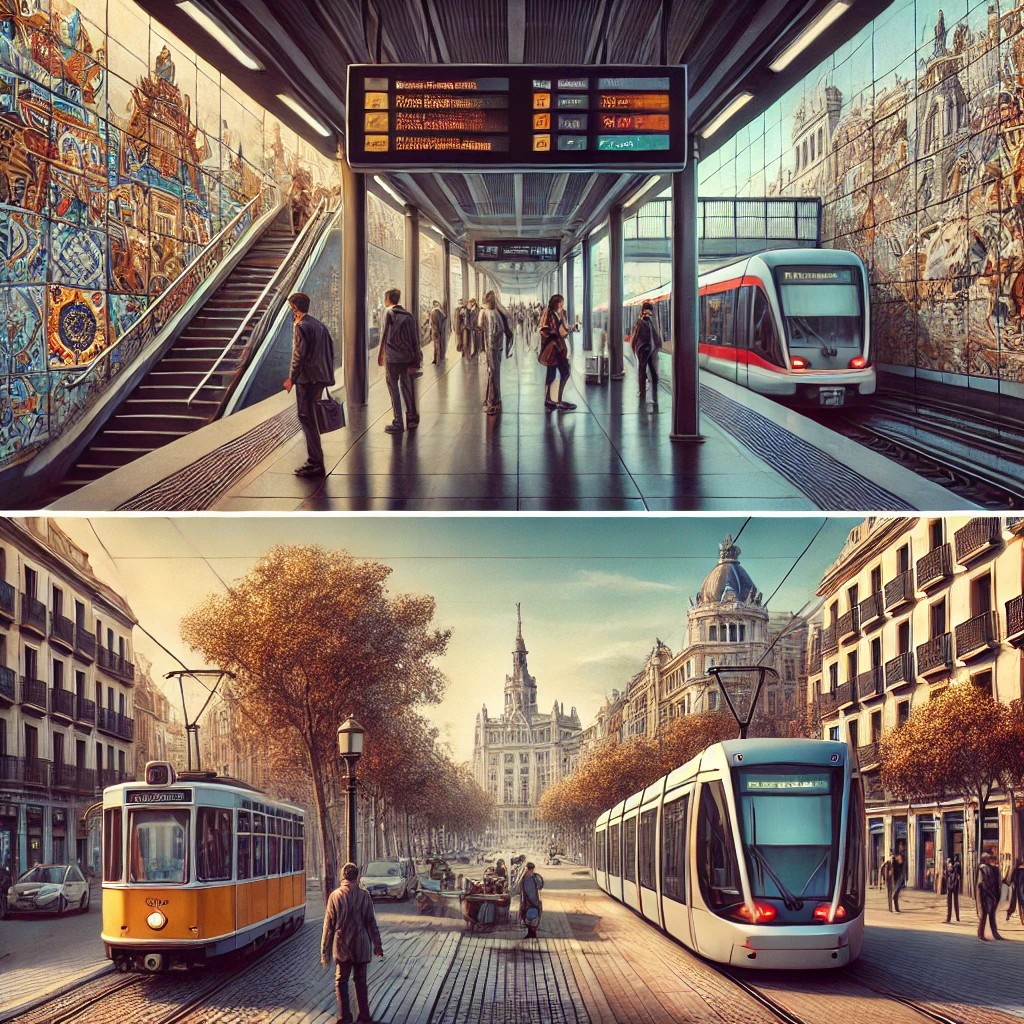
Using Metro Systems
Metro systems in Spanish-speaking cities are often extensive and efficient means of getting around. Familiarize yourself with these terms specifically related to the metro.
- Línea: Line
- Andén: Platform
- Torno: Turnstile
- Máquina expendedora: Ticket machine
- Combinar: To change or switch lines
- Cercanías: Commuter train
Here are sentences that may come in handy:
- ¿Qué línea debo tomar para llegar a la estación central?: What line should I take to get to the central station?
- ¿Dónde está el andén para la línea roja?: Where is the platform for the red line?
- Necesito combinar en la próxima estación.: I need to switch lines at the next station.
These metro-specific vocabulary terms and phrases will help you navigate metro systems with ease, ensuring you reach your destinations without unnecessary delays or confusion.
Purchasing Tickets and Fare Information
Understanding the process of purchasing tickets and the fare structure is vital for a seamless experience.
- Comprar: To buy
- Reembolso: Refund
- Descuento: Discount
- Tarjeta recargable: Rechargeable card
- Precio: Price
- Tarifa: Fare
- Billete sencillo: One-way ticket
- Abono: Pass (monthly, weekly, etc.)
Here are phrases that you might need:
- ¿Cuánto cuesta un billete sencillo?: How much does a one-way ticket cost?
- Quisiera un abono mensual, por favor.: I would like a monthly pass, please.
- ¿Dónde puedo recargar mi tarjeta de transporte?: Where can I recharge my transportation card?
Getting accustomed to these terms will make the process of purchasing tickets smoother and quicker, allowing you more time to enjoy your travels.
Etiquette and Useful Expressions
Knowing the local etiquette and related expressions can help you enjoy a more pleasant experience when using public transport.
- Permiso: Excuse me (used to get someone’s attention or to pass by)
- Disculpa: Sorry (informal)
- Disculpe: Sorry (formal)
- Asiento de ancianos/discapacitados: Elderly/disabled seat
- Prohibido fumar: No smoking
- Salida de emergencia: Emergency exit
Helpful expressions to use:
- ¿Me permite pasar?: May I pass?
- Disculpe, necesito bajar en la próxima parada.: Excuse me, I need to get off at the next stop.
- ¿Este asiento está ocupado?: Is this seat taken?
Understanding these etiquette terms and expressions not only helps you communicate better but also shows respect for local customs and other passengers.
Advanced Tips for Smooth Travel
Once you have mastered the basic and intermediate terms, there are some advanced tips and additional vocabulary that can amplify your travel experience.
- Horario punta: Rush hour/peak time
- Aforo completo: Full capacity
- Transbordo: Transfer/switching lines
- Plano del metro: Metro map
- Cabina del conductor: Driver’s cabin
Advanced phrases:
- Evite viajar en horario punta para mayor comodidad.: Avoid traveling during rush hour for a more comfortable experience.
- El tren ha alcanzado su aforo completo.: The train has reached its full capacity.
- Revise el plano del metro para planificar su ruta.: Check the metro map to plan your route.
Employing these advanced tips and vocabulary can significantly reduce travel stress and enhance your overall experience while using public transport.
Conclusion
Navigating urban public transport in Spanish-speaking cities can be an enriching experience, especially if you equip yourself with the right vocabulary and expressions. From understanding basic terms to more advanced tips, having a good grasp of these words and phrases will make your travels smoother and more enjoyable. It also allows you to interact confidently with locals, ask for help when needed, and respect the local etiquette. This guide should serve as a comprehensive resource to help you master the essential Spanish terms for navigating public transport. With practice, you’ll find yourself more comfortable and capable of exploring Spanish-speaking cities like a local. Safe travels and enjoy the journey!


