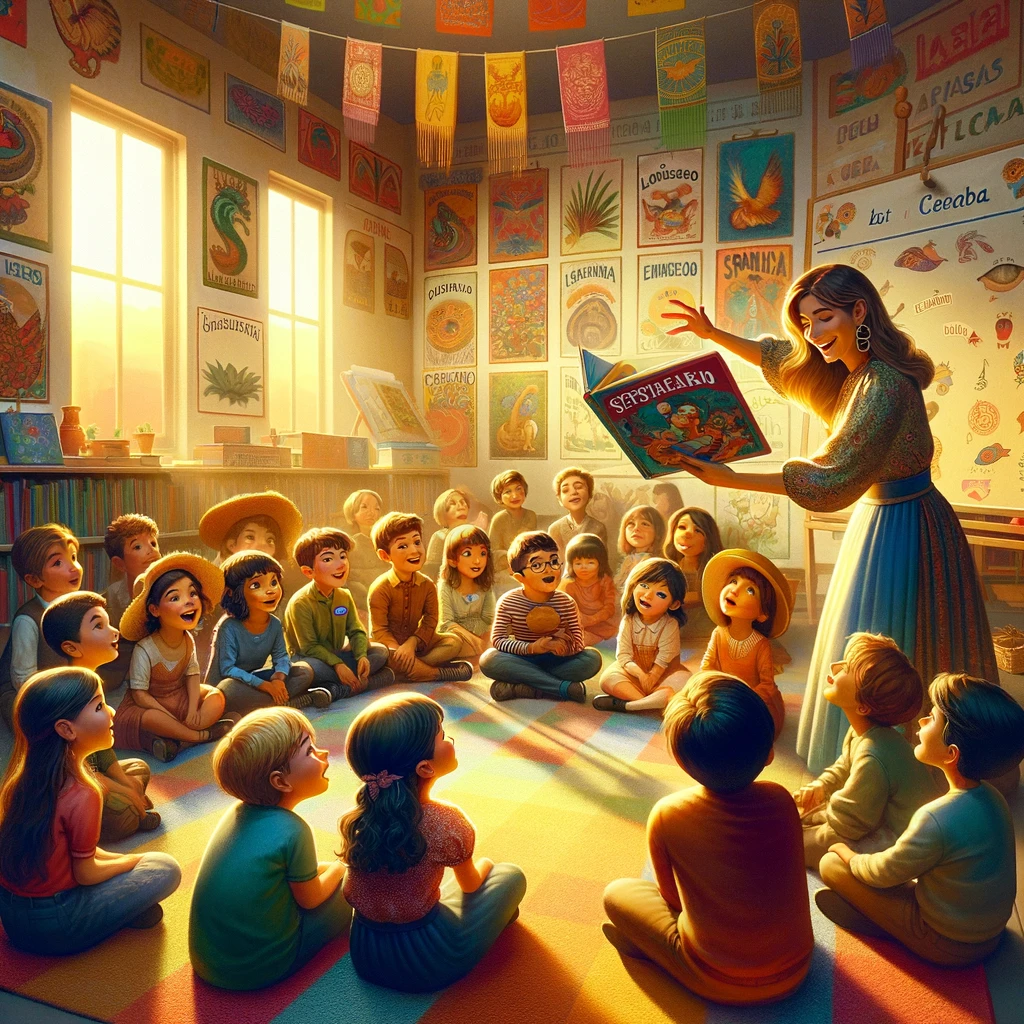
In the ever-evolving landscape of language education, integrating literature into language teaching represents a dynamic and enriching approach. Spanish, with its rich literary heritage, offers a treasure trove of texts that can significantly enhance the learning experience. This comprehensive guide explores the methodologies and benefits of incorporating Spanish literature into language teaching, providing educators with practical strategies and insights.
The Importance of Spanish Literature in Language Education
Spanish literature is not just a reflection of the language; it’s a window into the cultures, histories, and philosophies of Spanish-speaking countries. By integrating literature into language teaching, educators can provide students with a more holistic understanding of the Spanish language and its cultural context. This approach not only improves linguistic skills but also fosters critical thinking, cultural awareness, and a deeper appreciation for the arts.
Historical Context and Literary Evolution
Spanish literature has a long and varied history, from the medieval epics and Golden Age dramas to contemporary novels and poetry. Each era offers unique insights into the changing landscape of the Spanish-speaking world. By exploring these texts, students can gain a deeper understanding of the historical and cultural contexts that have shaped the language.
Diverse Perspectives and Voices
Spanish literature encompasses a wide range of voices and perspectives, including those from Latin America and Spain. This diversity is essential for students to understand the varied experiences and viewpoints within the Spanish-speaking world. It encourages empathy and broadens their understanding of global issues and cultures.
Strategies for Integrating Spanish Literature into Language Teaching
Selecting Appropriate Texts
Choosing the right literary works is crucial. Teachers should consider the students’ language proficiency, interests, and cultural backgrounds. For beginners, short stories, poems, or adapted versions of classic texts are ideal. Advanced students can tackle more complex novels and plays.
Suggestions for Various Levels
- Beginners: Short stories by Jorge Luis Borges or Isabel Allende, simple poems by Federico García Lorca.
- Intermediate: Excerpts from novels like “Don Quixote” by Miguel de Cervantes, plays by Lope de Vega.
- Advanced: Full novels like “One Hundred Years of Solitude” by Gabriel García Márquez, contemporary works by authors like Julia Navarro.
Integrating Literature with Language Skills
Literature can be used to develop various language skills:
- Reading Comprehension: Analyzing themes, characters, and plots.
- Writing: Essays on literary themes or character analysis.
- Speaking: Group discussions or debates on literary topics.
- Listening: Audio versions of texts or author interviews.
Cultural and Historical Context
Providing cultural and historical background enhances comprehension and appreciation. Discussing the author’s background, the historical period of the text, and its cultural significance can deepen students’ understanding.
Activities
- Research Projects: Students research the historical period of a novel.
- Cultural Presentations: Students present on cultural aspects related to a text.
Creative and Interactive Approaches
Engaging students creatively can make literature more accessible and enjoyable.
Ideas for Interactive Learning
- Role-Playing: Students act out scenes from a play or novel.
- Creative Writing: Writing alternate endings or from a character’s perspective.
- Book Clubs: Regular meetings to discuss a book in depth.
Assessing Literary Understanding
Assessment should be holistic, focusing not only on language proficiency but also on literary analysis and cultural understanding.
Types of Assessments
- Written Essays: Analyzing themes, characters, or literary devices.
- Oral Presentations: Presenting on a book or author.
- Quizzes: Testing comprehension and literary knowledge.
Challenges and Solutions
While integrating literature into language teaching is beneficial, it comes with challenges.
Language Complexity
Some texts may be too linguistically complex for students. Using adapted texts or providing glossaries can help.
Cultural Differences
Students might find it hard to relate to certain cultural contexts. Teachers can bridge this gap by relating themes to universal experiences or current global issues.
Keeping Students Engaged
Not all students may be interested in literature. Mixing different genres and media (films, audiobooks) can keep the class engaged.
Integrating Spanish literature into language teaching is an invaluable approach that enriches the educational experience. It not only enhances language skills but also fosters a deeper cultural understanding and appreciation for the arts. By employing diverse strategies and being mindful of students’ needs, educators can create a dynamic and engaging learning environment.

Expanding the Classroom: Beyond Traditional Literature
Incorporating Spanish literature into language teaching is not limited to classical texts. Modern novels, short stories, essays, and even graphic novels offer varied linguistic and cultural experiences. For instance, the works of contemporary authors like Carlos Ruiz Zafón or Laura Esquivel provide a modern perspective and language usage, making them relatable and engaging for students.
Incorporating Multimedia Resources
Multimedia resources can complement literary texts, making lessons more dynamic. Films, documentaries, and podcasts related to Spanish literature can deepen understanding and provide a different medium through which students can engage with the content.
Multimedia Integration Ideas
- Film Adaptations: Watching a film based on a literary work and comparing it to the original text.
- Podcasts: Listening to discussions or analyses of literary works.
- Online Forums: Participating in discussions with native speakers or other learners.
Technology in Literature Education
Technology plays a crucial role in modern education. Online platforms and digital tools can facilitate access to Spanish literature and enhance interactive learning. Digital libraries, e-books, and educational apps offer a plethora of resources for both teachers and students.
Building a Comprehensive Literature Curriculum
A well-structured curriculum that integrates Spanish literature effectively is essential for maximizing its educational potential.
Long-Term Planning
Educators should plan how literature integrates into the broader language curriculum. This involves selecting texts that align with language proficiency levels and thematic units, ensuring a progression that builds both language skills and literary understanding.
Cross-Curricular Connections
Spanish literature can be connected with other subjects such as history, art, and social studies. For instance, studying the Spanish Civil War alongside the works of poets like Pablo Neruda can provide a multidimensional learning experience.
Encouraging Student Autonomy
Encouraging students to explore Spanish literature independently can foster a love for the language and culture.
Independent Reading Programs
Creating a culture of reading in the classroom, where students choose books based on their interests, can be highly effective. Teachers can guide students in selecting appropriate texts and set up regular check-ins to discuss their progress and insights.
Student-Led Discussions
Facilitating student-led discussions on literary works encourages active engagement and critical thinking. Students can take turns leading discussions, preparing questions, and bringing in additional resources related to the text.
Evaluating and Adapting Strategies
Regular evaluation and adaptation of teaching strategies are vital to ensure they meet the needs of all students. Soliciting feedback from students and reflecting on the effectiveness of different approaches can lead to more impactful teaching methods.
Tailoring to Diverse Learning Styles
Recognizing that students have different learning styles is crucial. Some may prefer visual or auditory learning, while others might benefit more from hands-on activities or group discussions. Teachers can incorporate a variety of activities to cater to these diverse preferences.
Professional Development and Resources
For educators, continual professional development is key to effectively integrating literature into language teaching. Workshops, seminars, and online courses can provide valuable insights and techniques. Additionally, joining professional networks and communities offers a platform for sharing ideas and resources.
Resource Sharing
Teachers can benefit from sharing resources and strategies with colleagues. Online forums, educational blogs, and professional organizations are excellent platforms for exchanging ideas and finding inspiration.
Conclusion
Integrating Spanish literature into language teaching offers a rich and multifaceted approach to language education. It not only enhances linguistic proficiency but also provides a deeper understanding of the cultural and historical contexts of the Spanish-speaking world. By employing diverse, creative, and adaptable strategies, educators can foster an engaging and comprehensive learning environment that inspires students to explore and appreciate the beauty and complexity of Spanish literature.