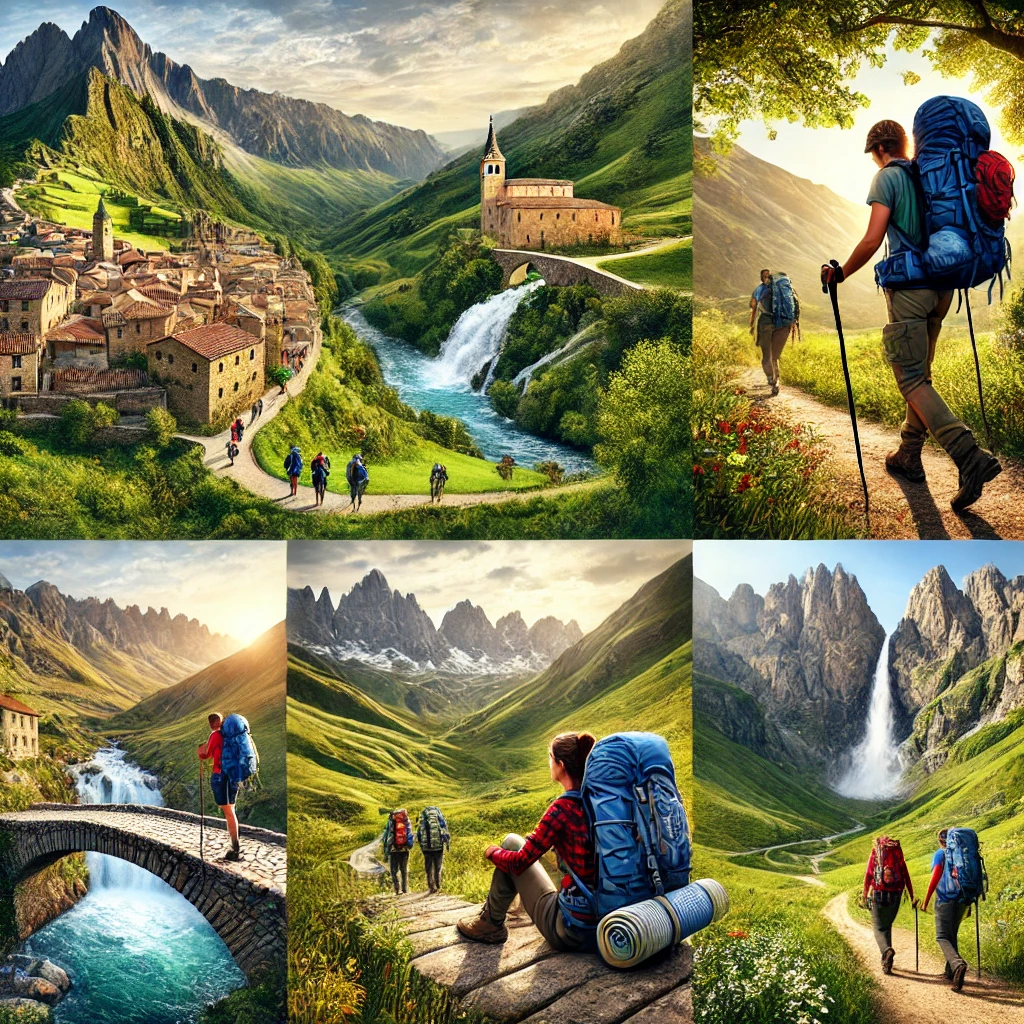
Traveling is one of life’s greatest pleasures. Exploring new destinations not only broadens your horizons but also provides valuable experiences that stay with you forever. For those who love the great outdoors, backpacking and trekking are among the most exhilarating ways to travel. When it comes to backpacking and trekking in Spanish-speaking countries, knowing some essential vocabulary can immensely elevate your trip. Here, we will delve into the essential Spanish vocabulary that will help make your backpacking and trekking adventures smoother and more enjoyable.
Introduction to Backpacking and Trekking in Spanish
Backpacking (mochilero) and trekking (senderismo) have gained immense popularity over the years. These activities allow you to immerse yourself in nature, challenge your physical limits, and experience the raw beauty of the natural world. Whether you’re navigating the Andean trails in Peru, exploring the scenic routes in Spain, or trekking through the rainforests of Costa Rica, having a grasp of essential Spanish words related to these activities can significantly enhance your travel experience.
The first thing you should know is that Spanish is widely spoken across multiple countries in South America, Central America, and Europe. This means that learning specific travel-related vocabulary can be incredibly beneficial. Knowing what to say when you’re caught in a situation can be the difference between a smooth journey and a complicated one. Imagine needing assistance during a trek and being able to communicate your needs clearly—that’s a lifesaver!
Key Vocabulary for Planning Your Trip
Before you even set foot on a trail, there are some key terms and phrases you should be familiar with for successful trip planning. This includes booking accommodations, arranging tours, or simply asking for recommendations:
- Itinerario (Itinerary) – “¿Puedes ayudarme con el itinerario?”
- Reserva (Reservation) – “Tengo una reserva para tres noches.”
- Agencia de viajes (Travel agency) – “Voy a la agencia de viajes para reservar un tour.”
- Mapa (Map) – “¿Dónde puedo conseguir un mapa del sendero?”
- Guía (Guide) – “Contratamos un guía para la caminata.”
Knowing these terms can help you organize your trip more effectively. Whether it’s booking reservations or working with local travel agencies, having the right terminology at your fingertips is essential.
Gear and Equipment Vocabulary
No backpacking or trekking adventure is complete without the right gear and equipment. Here are some essential Spanish terms for the items you’ll need to pack:
- Mochila (Backpack) – “Necesito una mochila resistente.”
- Saco de dormir (Sleeping bag) – “Mi saco de dormir es muy cálido.”
- Tienda de campaña (Tent) – “Vamos a necesitar una tienda de campaña grande.”
- Botas de senderismo (Hiking boots) – “Mis botas de senderismo son impermeables.”
- Brújula (Compass) – “Llevo una brújula para evitar perderme.”
Knowing how to refer to these items in Spanish ensures you’re well-prepared and able to communicate effectively with locals or sellers when acquiring your gear.

Phrases for Navigating the Trail
When you’re out on the trail, certain phrases can come in extremely handy. From asking for directions to finding the right route, knowing these phrases will keep you on track:
- ¿Dónde está el sendero? (Where is the trail?) – “¿Podrías indicarme dónde está el sendero?”
- Estoy perdido/a (I am lost) – “Creo que estoy perdido/a, ¿puedes ayudarme?”
- ¿Cuánto falta para llegar a…? (How much further to…?) – “¿Cuánto falta para llegar al campamento?”
- Cuidado (Be careful) – “Cuidado con las rocas sueltas en el sendero.”
- Descanso (Rest break) – “Vamos a tomar un descanso de diez minutos.”
These phrases will allow you to navigate unfamiliar terrain and seek help from locals when necessary.
Essential Health and Safety Vocabulary
Trekking and backpacking come with their own set of risks and challenges. Knowing health and safety-related vocabulary can be crucial in emergencies:
- Botiquín de primeros auxilios (First aid kit) – “No olvides llevar el botiquín de primeros auxilios.”
- Enfermedad (Sickness) – “Me siento enfermo, ¿dónde está el médico más cercano?”
- Agotamiento (Exhaustion) – “Estoy sintiendo agotamiento, necesito descansar.”
- Conservación de energía (Energy conservation) – “Es importante la conservación de energía durante el trekking.”
- Socorro (Help) – “¡Socorro! Necesito ayuda inmediatamente.”
Understanding these terms will help you manage emergencies effectively and ensure your safety.
Vocabulary for Interacting with Locals
Engaging with local communities is one of the most rewarding aspects of traveling. Knowing a few Spanish phrases can make these interactions much more enriching:
- Gracias (Thank you) – “Gracias por su hospitalidad.”
- Por favor (Please) – “¿Podrías ayudarme, por favor?”
- Disculpa (Excuse me) – “Disculpa, ¿puedes repetírmelo?”
- ¿Qué recomiendas? (What do you recommend?) – “¿Qué recomiendas visitar en este lugar?”
- ¡Es increíble! (It’s incredible!) – “¡La vista desde aquí es increíble!”
These phrases show respect and effort, making your experience with locals more enjoyable and authentic.
Post-Trek Vocabulary
Once your trekking adventure concludes, here are some useful terms to share your experiences or provide feedback:
- Experiencia (Experience) – “La experiencia fue inolvidable.”
- Reseña (Review) – “Voy a escribir una reseña positiva del guía.”
- Recuerdo (Memory) – “Este viaje me deja recuerdos maravillosos.”
- Fotografía (Photograph) – “Tengo muchas fotografías del paisaje.”
- Recomendación (Recommendation) – “Recomiendo este trekking a todos los viajeros.”
These terms will help you reflect on and share your adventures with others.
Conclusion
Backpacking and trekking through Spanish-speaking countries offer awe-inspiring experiences for adventure enthusiasts. Knowing essential Spanish vocabulary can significantly enhance your journey, allowing you to plan efficiently, navigate trails, interact with locals, and share memorable experiences.
Immerse yourself in the local language to navigate better and gain a deeper appreciation of the culture. Equip yourself with this valuable vocabulary, pack your backpack, lace up your hiking boots, and get ready for an unforgettable journey through the stunning landscapes of Spanish-speaking regions.