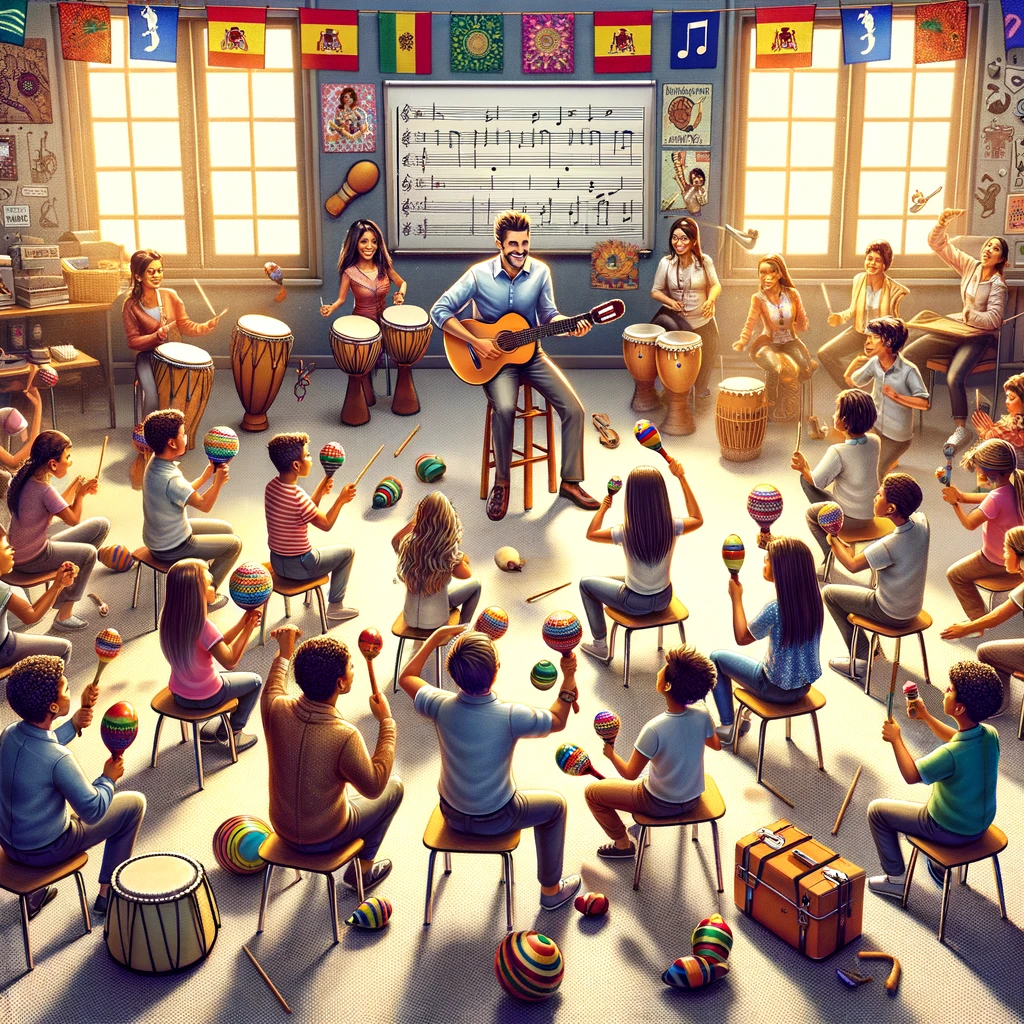
Language learning is a dynamic process that thrives on engaging and innovative teaching methods. Among these, incorporating music into language education has proven to be exceptionally effective, especially in teaching Spanish. This comprehensive guide delves into the various strategies and resources educators can utilize to teach Spanish through music, offering a unique and immersive learning experience.
The Power of Music in Language Learning
Cognitive Benefits
Music and language are closely linked in the brain, and learning through music can enhance memory, attention, and comprehension skills. Music stimulates brain regions involved in language processing and can aid in the retention of new vocabulary and grammar.
Cultural Immersion
Spanish music provides a window into the diverse cultures of Spanish-speaking countries. It offers students an authentic context for language learning, fostering a deeper understanding and appreciation of the Hispanic world.
Motivation and Engagement
Music makes learning enjoyable and can significantly increase student motivation and engagement. It breaks the monotony of traditional language learning and encourages active participation.
Incorporating Music into Spanish Teaching
Choosing the Right Music
Select music that is appropriate for the students’ language proficiency level. Beginners might benefit from simple, repetitive songs, while advanced students can tackle more complex lyrics. Consider the interests of your students to make the learning process more relatable and engaging.
Activities and Exercises
- Lyric Analysis: Dissect the lyrics of a song to explore vocabulary, grammar, and cultural references.
- Singing Along: Encourage students to sing along to improve pronunciation and fluency.
- Songwriting: Have students write their own songs, incorporating newly learned vocabulary and grammar structures.
- Discussion and Interpretation: Engage students in discussions about the song’s themes and messages to develop critical thinking and conversational skills.
Utilizing Technology
Incorporate digital resources like music videos, karaoke apps, and online music platforms to make lessons more interactive and accessible.
Effective Teaching Strategies
Repetition and Reinforcement
Repeating songs in subsequent lessons can reinforce learning. Encourage students to listen to the songs outside of class to further immerse them in the language.
Integrating Culture
Use music as a starting point to explore the culture, history, and geography of Spanish-speaking countries. Discuss the background of artists and the cultural significance of their songs.
Interactive Learning
Create a dynamic classroom environment where students can engage with the music. Activities like dancing, clapping, or acting out the lyrics can make learning more tangible and fun.
Tailoring to Different Learning Styles
Music appeals to auditory learners but can also be adapted for visual and kinesthetic learners through lyric videos, dance, and hands-on activities.
Resources for Educators
- Music Platforms: Spotify, YouTube, and Apple Music offer extensive libraries of Spanish music.
- Educational Websites: Websites like LyricsTraining and Rockalingua provide interactive music-based language learning tools.
- Teacher Networks: Join online communities and forums for Spanish educators to share resources and experiences.
Challenges and Solutions
Language Complexity
Some songs may contain complex language or colloquial expressions. Provide context and explanations to ensure comprehension.
Classroom Management
Maintaining a focused learning environment during music activities can be challenging. Set clear expectations and structure activities to maintain order and engagement.
Teaching Spanish through music is a powerful and effective approach that caters to diverse learning styles, enhances cognitive abilities, and provides cultural immersion. By incorporating music into your teaching strategies, you can create a vibrant, engaging, and effective language learning environment.

Expanding Teaching Methods with Music
Interactive Listening Sessions
Conduct listening sessions where students focus on specific aspects of the song, such as verb conjugations, thematic vocabulary, or idiomatic expressions. Pause the song at intervals for discussion and clarification. This not only improves listening skills but also deepens their understanding of linguistic structures.
Role-Playing and Dramatization
Use songs as scripts for role-plays or dramatizations. Assign different parts of the song to students and have them act out the lyrics. This method encourages students to connect with the language emotionally and contextually, enhancing memorization and comprehension.
Comparative Analysis
Introduce songs in both Spanish and English (or students’ native language) that convey similar themes or messages. Engage students in comparing and analyzing the translation and interpretation of lyrics. This activity fosters cross-cultural understanding and highlights the nuances in language translation.
Music and Literature
Connect music to Spanish literature by selecting songs that reflect the themes, periods, or authors being studied. This interdisciplinary approach reinforces language learning through a broader cultural and historical context.
Technology Integration in Music-Based Learning
Music Apps and Websites
Incorporate apps and websites that specialize in language learning through music. These platforms often have features like adjustable playback speed, lyric display, and vocabulary quizzes, making them ideal for classroom use.
Creating Digital Playlists
Create thematic playlists for different units of study. For example, a playlist focused on “Family and Relationships” or “Travel and Adventure” can provide contextually relevant vocabulary and cultural insights.
Online Collaborations
Use online platforms for students to collaborate on music projects with peers from Spanish-speaking countries. This exchange can enhance cultural understanding and provide real-life language practice.
Assessment Strategies
Musical Projects
Assign projects where students create their own songs or music videos in Spanish. This can be an effective way for them to demonstrate their language skills, creativity, and understanding of cultural elements.
Oral Presentations
Have students present on a Spanish-speaking artist or musical genre. This research-based activity allows students to explore cultural aspects while practicing their speaking and presentation skills.
Quizzes and Tests
Incorporate lyrics and music-based questions in quizzes and tests to assess comprehension and retention. This can make assessments more engaging and less intimidating for students.
Professional Development for Educators
Workshops and Conferences
Attend workshops and conferences focused on innovative language teaching methods, including the use of music in the classroom. These events are great opportunities for professional growth and networking.
Online Courses and Certifications
Consider online courses or certification programs that specialize in teaching Spanish through music. These programs can provide new insights, techniques, and resources.
Collaborative Learning
Engage in collaborative learning with other educators. Sharing experiences and strategies can lead to the development of improved teaching methods.
Conclusion
Teaching Spanish through music is a multifaceted approach that enriches the language learning experience. It addresses various learning styles, enhances student engagement, and provides cultural context. As educators, embracing this method can lead to more dynamic, effective, and enjoyable teaching experiences. By continuously exploring and integrating music into the curriculum, we can foster a deeper, more meaningful connection between students and the Spanish language.