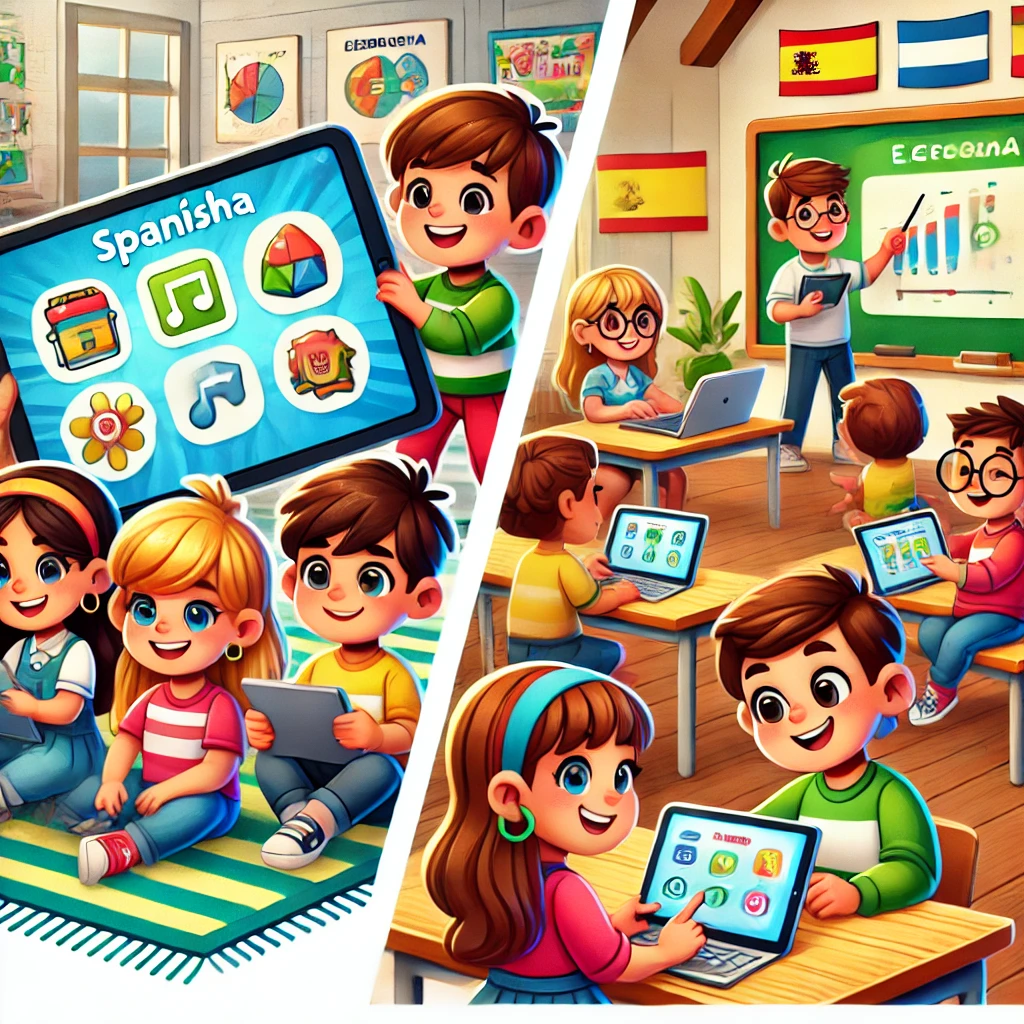
The digital age has propelled every facet of our lives into an online technosphere, and language learning is no exception. For Spanish learners and enthusiasts, the surge in digital media has presented a wealth of opportunities to enrich their learning experience. This comprehensive guide delves into the latest trends in Spanish language digital media, illustrating how modern innovations are reshaping the way we approach language acquisition and education.
Introduction
Gone are the days when learning a new language meant poring over textbooks and attending traditional classroom settings. The advent of digital media has revolutionized the realm of language education, making it more accessible, engaging, and efficient. For Spanish language learners specifically, the variety of digital tools and platforms available today has unlocked new avenues for mastering the language. From interactive apps and online courses to immersive virtual environments, the digital landscape is rich with resources tailored to diverse learning styles and preferences.
In this article, we will explore the most current trends in Spanish language digital media. We’ll cover the rise of language learning apps, the integration of artificial intelligence in language education, the role of social media, the impact of virtual reality, the contribution of streaming services, and the importance of culturally relevant content. Whether you are an educator aiming to incorporate digital tools in your curriculum or a learner seeking new ways to enhance your Spanish skills, this guide promises to provide valuable insights into the latest trends shaping the future of Spanish language education.
The Rise of Language Learning Apps
Language learning apps have become a cornerstone of modern language education, offering flexible and interactive ways to learn Spanish on-the-go. Popular apps like Duolingo, Babbel, and Rosetta Stone have developed comprehensive Spanish courses that cater to various proficiency levels. These apps leverage gamification to make learning fun and engaging, presenting lessons in bite-sized chunks that can easily fit into a busy schedule.
Beyond conventional vocabulary and grammar lessons, many apps now feature speech recognition technology to help learners practice their pronunciation. This technology uses algorithms to analyze spoken language, providing immediate feedback on accuracy and areas for improvement. Additionally, some apps offer personalized learning paths, adapting the difficulty and content of lessons based on the learner’s progress and preferences.
Another significant trend in language learning apps is the incorporation of social features. Users can connect with fellow learners, participate in challenges, and exchange tips and encouragement, fostering a sense of community and collaboration. These social aspects not only enhance the learning experience but also motivate users to stay consistent in their studies.
Artificial Intelligence in Language Education
Artificial intelligence (AI) is playing an increasingly pivotal role in modernizing language education. AI-powered platforms like Elsa Speak and Google Translate are pushing the boundaries of what is possible in language learning, offering advanced tools that cater to individual learner needs. One of the key applications of AI in language education is the development of intelligent tutoring systems that provide personalized instruction and feedback.
AI-driven language models can analyze a learner’s strengths and weaknesses, creating customized exercises and content that target specific areas for improvement. For instance, if a learner struggles with Spanish verb conjugations, the AI system can generate focused practice sessions to address this issue. This level of personalization not only improves learning outcomes but also makes the process more efficient and enjoyable.
Furthermore, AI enhances the capabilities of language translation and interpretation tools, making it easier for learners to understand and communicate in Spanish. Real-time translation apps and smart devices equipped with AI-powered language assistants are breaking down language barriers, enabling seamless communication in diverse settings.
The Role of Social Media
Social media platforms have emerged as powerful tools for language learning, providing authentic contexts for practicing Spanish and accessing a wealth of resources. Platforms like Instagram, Facebook, Twitter, and TikTok are teeming with content creators who share educational posts, language tips, and cultural insights. These platforms allow learners to immerse themselves in the Spanish language and culture, absorbing idiomatic expressions and colloquial usage that might not be covered in formal lessons.
One particularly effective use of social media for language learning is following accounts dedicated to teaching Spanish. These accounts often post daily language challenges, grammar explanations, and vocabulary quizzes, making it easy for learners to engage with the language regularly. Additionally, language exchange groups and communities on social media enable learners to practice Spanish with native speakers, gaining invaluable conversational practice.
Live streaming features on platforms like Instagram and Facebook Live also offer unique opportunities for interactive language learning. Educators and language influencers can host live lessons, Q&A sessions, and discussions, allowing learners to ask questions and receive real-time feedback. This interactivity enhances the learning experience, making it more dynamic and responsive to individual needs.
Virtual Reality in Language Learning
Virtual reality (VR) is revolutionizing language education by providing immersive environments that replicate real-world scenarios. For Spanish learners, VR can transport them to Spanish-speaking countries, allowing them to practice the language in context and experience the culture firsthand. VR platforms like Immerse and Mondly VR offer interactive lessons that engage multiple senses, creating a more profound and lasting learning experience.
In a VR environment, learners can practice conversations in realistic settings, such as ordering food in a Spanish restaurant or navigating a Spanish market. These simulations help to build confidence and fluency, as learners are exposed to natural language use and are required to respond in real-time. Furthermore, VR can recreate historical and cultural sites, enriching the educational experience by providing insights into Spanish heritage and traditions.
The potential for VR in language education is virtually limitless, as developers continue to explore innovative ways to integrate this technology into the learning process. As VR becomes more accessible and affordable, it is poised to become a mainstream tool in language education, offering immersive and engaging experiences that traditional methods cannot match.
The Impact of Streaming Services
Streaming services such as Netflix, Amazon Prime, and YouTube have become valuable resources for language learners, offering a plethora of Spanish content that can aid in language acquisition. Watching Spanish movies, TV shows, and documentaries allows learners to hear the language in authentic contexts, improving their listening skills and enhancing their understanding of pronunciation, intonation, and colloquialisms.
Many streaming platforms provide subtitles and language options, enabling learners to watch Spanish content with English subtitles or vice versa. This feature allows learners to match spoken language with written text, reinforcing vocabulary and grammar structures. Additionally, the availability of diverse genres means that learners can find content that aligns with their interests, making the learning process more enjoyable and motivating.
YouTube, in particular, offers a wealth of educational channels dedicated to teaching Spanish. These channels provide structured lessons on various aspects of the language, as well as cultural content that helps learners understand the context in which the language is used. Content creators often use engaging visuals and interactive elements to make learning more effective and enjoyable.
The Importance of Culturally Relevant Content
One of the key trends in Spanish language digital media is the emphasis on culturally relevant content. Understanding the culture associated with a language is integral to achieving language proficiency, as it provides context and meaning to the words and expressions used. Digital media platforms are increasingly recognizing this and are incorporating cultural elements into their content and lessons.
For example, language learning apps and online courses often include modules on Spanish customs, traditions, and social norms. These cultural insights help learners to use the language appropriately in different contexts and to appreciate the nuances of communication in Spanish-speaking countries. Additionally, exposure to cultural content increases learners’ motivation, as they can see the practical and enriching applications of their language skills.
Storytelling is another powerful tool for conveying cultural knowledge. Digital media platforms use stories, whether through videos, podcasts, or written narratives, to immerse learners in the Spanish-speaking world. By following the adventures of characters and exploring real-life scenarios, learners can develop a deeper connection to the language and its cultural background.
Conclusion
The landscape of Spanish language education is continuously evolving, with digital media at the forefront of this transformation. The trends highlighted in this article demonstrate how technology is enhancing the way we learn and teach languages, making the process more accessible, engaging, and effective. From the convenience of language learning apps and the personalization offered by AI to the immersive experiences provided by VR and the rich content available on streaming services, there are countless resources for Spanish learners to explore and benefit from.
Furthermore, the role of social media and the emphasis on culturally relevant content underscore the importance of community and context in language learning. By leveraging these digital tools and trends, learners can achieve a well-rounded and profound understanding of Spanish, not just as a set of words and grammar rules, but as a living, breathing language embedded in a vibrant cultural landscape.
As we look to the future, it is clear that digital media will continue to shape and define the field of language education. For educators and learners alike, staying abreast of these trends and embracing the opportunities they present will be key to achieving success in Spanish language learning. Whether you are starting your Spanish journey or looking to deepen your existing skills, the digital age offers a wealth of resources to support and enhance your learning experience.