
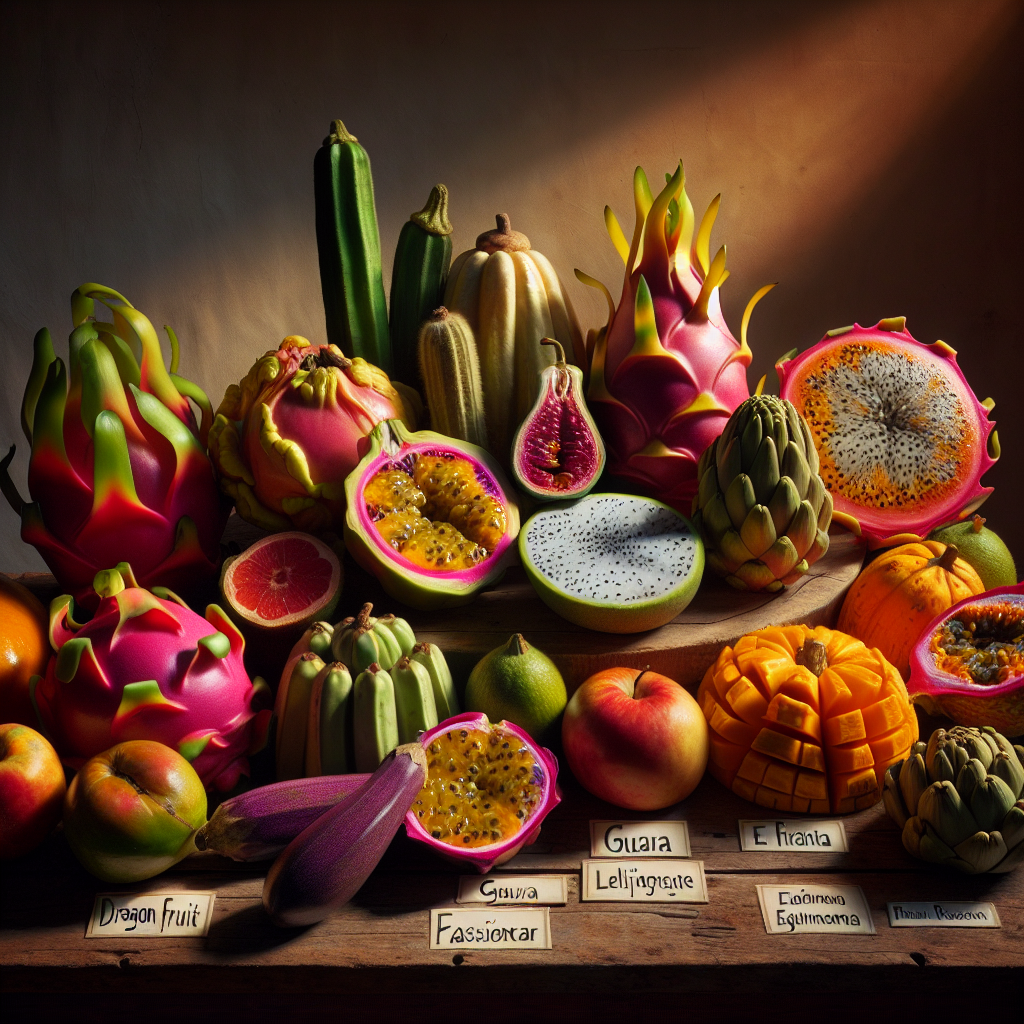
The world of exotic fruits and vegetables is one filled with vibrant colors, unique tastes, and a cultural richness that speaks to the diversity of global cuisines. As our culinary palettes continue to expand, there is a growing interest in understanding and incorporating these exotic ingredients into daily cooking. For Spanish learners and educators, diving into thematic vocabulary related to food, particularly exotic fruits and vegetables, offers an exciting opportunity. Knowing these terms enhances not only one’s vocabulary but also provides a deeper insight into the cultures where these foods originate and are celebrated. In this comprehensive guide, we will explore the Spanish names of some exotic fruits and vegetables, delve into their backgrounds, and discuss their significance in various cuisines. Whether you are a culinary enthusiast, a language learner, or an educator looking to enrich your teaching materials, this exploration will offer valuable insights into the intersection between language and gastronomy.
Spanish Vocabulary for Exotic Fruits
Let’s embark on our journey by delving into the exotic world of fruits. Fruits such as “maracuyá” (passion fruit), “guanábana” (soursop), and “chirimoya” (cherimoya) are not only delicious but also staple ingredients in many Spanish-speaking countries. Passion fruit, or “maracuyá,” boasts a sweet yet tangy flavor, popular in drinks and desserts. Its exotic taste captures the essence of tropical environments, making it a favorite in countries such as Colombia and Brazil. On the other hand, “guanábana” brings a rich, creamy texture and flavor profile that combines pineapple, banana, and coconut tones, often used in juices and ice creams. Then we have “chirimoya,” hailed as the “custard apple” for its sweet, custard-like interior. In places like Peru, it is cherished not only for its flavor but also its health benefits. These fruits introduce you to the colorful and delicious tapestry of flavors that are celebrated across Latin cultures, making them essential vocabulary in this theme.
Discovering Exotic Vegetables in Spanish
Moving from fruits, we delve into the realm of exotic vegetables, a segment equally rich in flavors and textures. “Chayote,” often referred to as a type of squash, is popular in many Latin cuisines due to its versatile nature. In Spanish-speaking cultures, it is known as “chayote” as well and serves as an essential ingredient in a variety of dishes from soups to salads. Another noteworthy vegetable is the “jícama,” also called the Mexican turnip, offering a crunchy texture perfect for salads or fresh snacks. It holds a crisp, sweet taste similar to that of a pear or apple. Lastly, the “ocumo” or “malanga” has a rich, nutty flavor and is often used in traditional stews and soups. These vegetables bring unique textures and distinct flavors to the table, offering an opportunity for experimentation and learning in both language and cooking.
Cultural Significance of Exotic Foods
The cultural significance of exotic fruits and vegetables cannot be understated. Beyond the linguistic value, these foods hold cultural and historical stories that reflect the identities of the regions from which they hail. For instance, “cacao,” known for being the source of chocolate, is rooted deeply in the traditions of Mesoamerican cultures. Cacao was once considered a divine gift, used in rituals and as currency by the Aztecs and Mayans. Similarly, “aguacate” (avocado) is a primary component of many iconic dishes across Latin America, renowned for its creamy texture and health benefits. Shepherding these exotic foods from their traditional roots to modern cuisines signifies a blend of history, culture, and globalization. By learning about these terms, learners gain more than language skills; they acquire a taste of the rich tapestry that binds together the cuisine, culture, and language of Spanish-speaking regions.
Incorporating Exotic Foods into Language Learning
Including thematic vocabulary related to food, specifically exotic fruits and vegetables, in language learning can turn mundane memory exercises into engaging stories. Educators can create interactive lessons around these foods, encouraging students to cook, taste, and express their experiences in Spanish. For instance, a lesson plan might involve preparing a “guacamole” using “aguacate” and exploring the dish’s historical significance while practicing the pronunciation of related vocabulary. Such immersive experiences not only facilitate language acquisition but also allow students to absorb cultural context, thereby enriching their understanding and appreciation for the language. Moreover, for independent learners, incorporating cooking into study routines by trying out authentic recipes is a pleasurable way to deepen linguistic comprehension.
Conclusion: Embracing Language and Culture
Understanding the vocabulary of exotic fruits and vegetables in Spanish offers a delightful expansion into the language intertwined with cultural appreciation. As we’ve journeyed through various exotic fruits like “maracuyá,” “guanábana,” and “chirimoya,” as well as vegetables such as “chayote” and “jícama,” one thing is clear: food is a powerful language on its own. By embracing these terms, Spanish learners and educators are not merely expanding vocabulary but also embracing the cultural stories and histories embedded within these culinary treasures. Such thematic vocabulary opens doors to a broader world view, enriching both instruction and personal growth. As you continue to explore these delicious terms, may your linguistic and cultural journey be as vibrant and rewarding as the exotic fruits and vegetables themselves.


