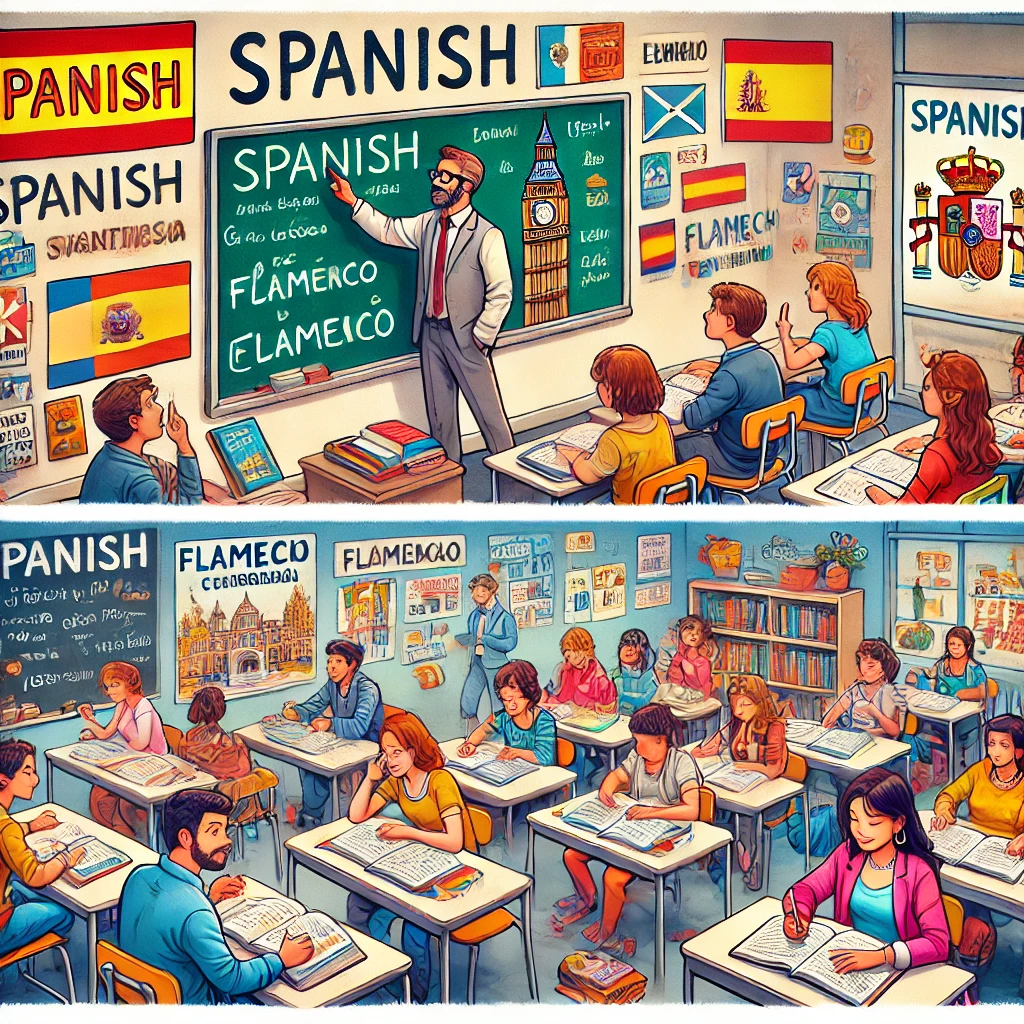
Learning a new language is a journey filled with exhilarating discoveries and numerous challenges. Spanish, with its rich cultural heritage and broad global reach, is a popular choice for many language enthusiasts. One of the most effective ways to accelerate your Spanish learning journey is through language exchange — a mutual exercise where two individuals teach each other their native languages. This practice not only helps in acquiring language skills but also fosters intercultural understanding. In this article, we will guide you through finding a Spanish conversation partner, ensuring that this partnership is fruitful and beneficial for both parties involved.
Why Language Exchange is Important
Language exchange offers an immersive learning experience that is both practical and applicable to real-world situations. Unlike traditional classroom learning, language exchange emphasizes conversational fluency and cultural nuances which might be overlooked in a structured course. When you engage in a language exchange, you practice speaking and listening in real-time, which is crucial for mastering a new language.
Furthermore, language exchange provides an opportunity to make new friends and gain a deeper understanding of the culture associated with the language. For instance, while practicing Spanish, you might learn about Spanish holidays, traditions, and cuisine, which enriches your learning experience. Language exchange fosters a collaborative learning environment where both partners contribute and benefit equally, creating a mutually supportive relationship.
Where to Find a Spanish Conversation Partner
With the rise of digital communication tools, finding a Spanish conversation partner has become more accessible than ever. Numerous platforms cater to language learners seeking exchange partners. Here are some popular options:
- Tandem: Tandem is an app dedicated to language exchange, connecting you with native speakers worldwide. It offers text, audio, and video chat options to enhance your learning experience.
- ConversationExchange.com: This website allows you to find conversation partners based on your language preferences and location. You can choose to meet in person or chat online.
- Italki: While primarily known for its language tutors, Italki also has a community feature where you can find language exchange partners.
- Meetup: In many cities, Meetup groups organize language exchange events where you can practice Spanish with native speakers in a social setting.
It’s essential to select a platform that aligns with your learning goals and preferences. Whether you prefer face-to-face interaction or the convenience of online chatting, there’s an option available to suit your needs.
Effective Communication Strategies
Once you’ve found a conversation partner, the next step is to establish an effective communication strategy. Here are some tips to make the most out of your language exchange sessions:
- Set Clear Expectations: Discuss your language learning goals and schedule with your partner to ensure a mutual understanding of each other’s objectives.
- Balance Language Use: Divide the session equally between both languages to ensure that neither partner feels shortchanged. For example, spend the first half of the session speaking in Spanish and the second half in your partner’s language.
- Be Patient and Encouraging: Language learning can be challenging, so it’s essential to be patient and provide positive feedback. Celebrate small victories and support each other through mistakes.
- Prepare Topics in Advance: Having a list of topics or questions prepared can help keep the conversation flowing smoothly and ensure a productive session.
- Utilize Supplementary Resources: Use resources like dictionaries, language apps, and grammar guides to assist with difficult vocabulary or concepts during your sessions.
Effective communication is the key to a successful language exchange. By adhering to these strategies, you can create a supportive environment that encourages growth and learning.
Overcoming Common Challenges
Despite the numerous benefits, language exchange can come with its own set of challenges. Here are some common issues you might face and how to overcome them:
- Scheduling Conflicts: Finding a convenient time for both partners can be tricky, especially if you are in different time zones. Use online scheduling tools and be flexible with your availability.
- Language Proficiency Imbalance: It’s common for one partner to be more proficient in the other’s language. Focus on your learning goals and communicate openly with your partner to ensure balanced progression.
- Motivation Levels: Maintaining motivation can be difficult over time. Set small, achievable goals and regularly review your progress to stay motivated.
- Cultural Differences: Be open-minded and respectful towards your partner’s cultural background. Use these differences as a learning opportunity to enrich your understanding of the language.
By anticipating these challenges and proactively addressing them, you can ensure a smooth and rewarding language exchange experience.
Complementing Language Exchange with Other Learning Methods
While language exchange is highly effective, it should be complemented with other learning methods for optimal results. Here are some additional strategies to enhance your Spanish learning experience:
- Formal Classes: Enrolling in formal language classes can provide structured learning and access to experienced instructors who can guide your progress.
- Language Apps: Utilize apps like Duolingo, Babbel, or Rosetta Stone for daily practice and interactive learning modules. These apps tailor lessons to your proficiency level and track your progress.
- Immersion: Immerse yourself in the language by watching Spanish movies, listening to Spanish music, and reading Spanish books or news. This helps in familiarizing yourself with different accents, slang, and idiomatic expressions.
- Writing Practice: Regularly practice writing in Spanish by maintaining a diary, writing essays, or communicating with pen pals. This improves your vocabulary and grammar.
- Hire a Tutor: Consider hiring a Spanish tutor for personalized guidance and support. Tutors can provide customized lessons and address your specific learning needs.
Combining language exchange with these supplementary methods will create a well-rounded and comprehensive learning experience, paving the way for fluency in Spanish.
Creating a Supportive Learning Environment
Creating a supportive learning environment is crucial for maintaining motivation and making continuous progress. Here are some tips to foster a positive and encouraging space for your language exchange experience:
- Join Online Communities: Participate in online forums and social media groups dedicated to Spanish learners. Engaging with like-minded individuals can provide support, share resources, and offer encouragement.
- Set Realistic Goals: Break down your language learning goals into achievable milestones. Celebrate your achievements, no matter how small, to stay motivated.
- Track Your Progress: Reflect on your learning journey by keeping a journal or using language learning apps that track your progress. This helps in identifying areas of improvement and celebrating your growth.
- Celebrate Cultural Experiences: Embrace cultural immersion by attending Spanish cultural events, cooking Spanish cuisine, or celebrating Spanish holidays. This adds a fun and engaging element to your learning journey.
- Encourage Mutual Support: Build a strong rapport with your language partner by showing genuine interest in their learning goals. Offer constructive feedback and be open to receiving it as well.
Creating a supportive and positive environment will enhance your learning experience, making it enjoyable and fulfilling.
Conclusion
Language exchange is a powerful tool for mastering Spanish, offering real-time conversational practice and cultural immersion. By finding a suitable conversation partner, establishing effective communication strategies, and addressing common challenges, you can make significant strides in your language learning journey.
Remember to complement language exchange with other learning methods to create a comprehensive and well-rounded approach. Surround yourself with a supportive learning environment that fosters motivation and continuous progress.
Embarking on this language learning adventure is not just about acquiring a new skill but also about building meaningful connections and broadening your horizons. So start your search for a Spanish conversation partner today and watch your language proficiency soar to new heights!